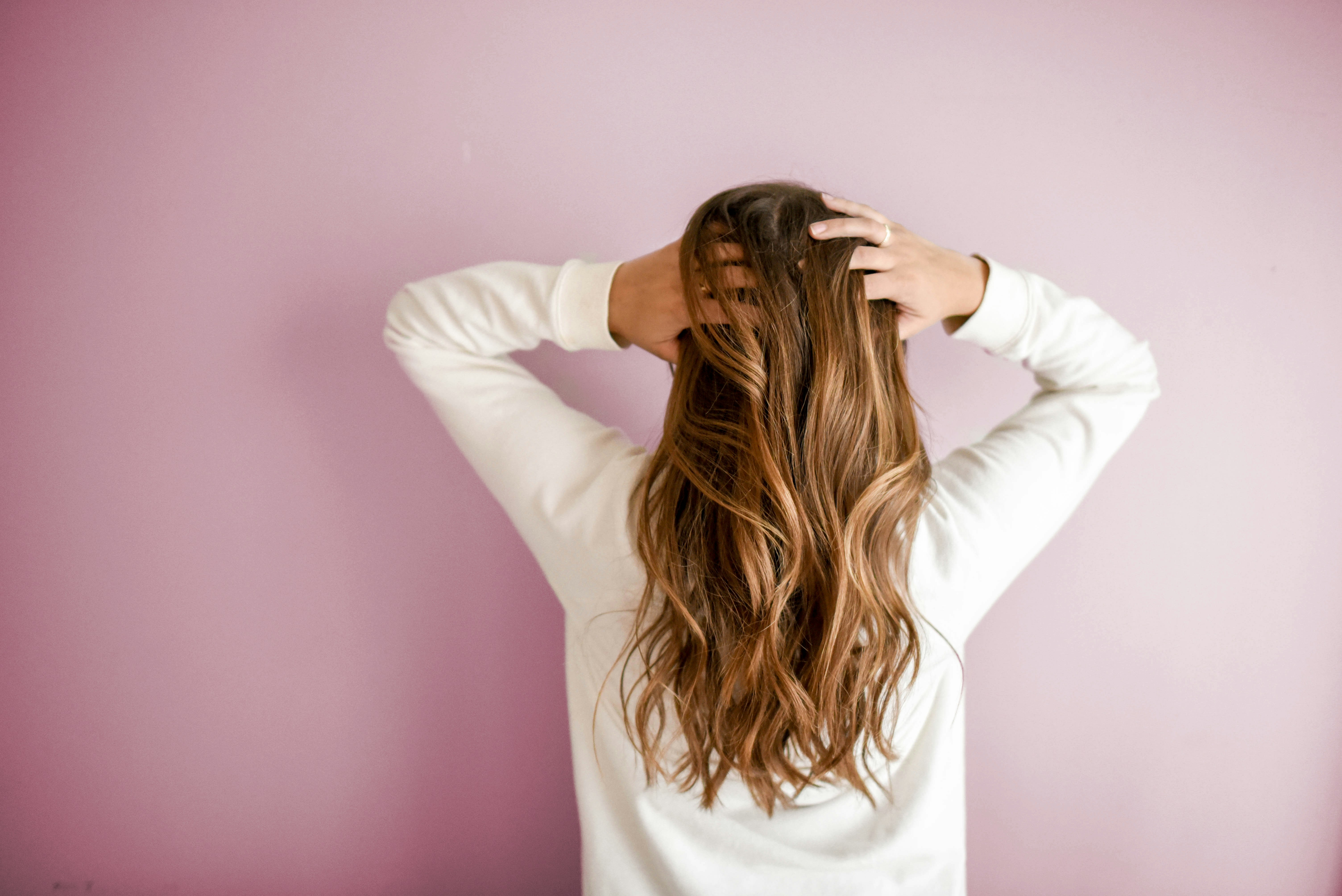
Women's hair loss is one of the most common health concerns that gets consistently under-addressed. You notice the change — more hair in the brush, thinner ponytail, a part that looks wider than it used to. You mention it at your next appointment and walk out with reassurance that it's 'probably stress' or 'just hormones.' You're not wrong about the hormones. But that's the beginning of the answer, not the end of it. RevDoc connects you with providers who understand the difference.
Why Women's Hair Loss Is Different — and Often Missed
Hair loss in women rarely looks the way most people expect it to. It's not the receding hairline you see in men. It's more subtle: overall thinning, a part that gets wider, a ponytail that feels thinner in your hand, more shedding than usual in the shower.
This subtlety is part of why it gets dismissed. But the emotional impact is not subtle at all. Hair is tied to identity, to how we present ourselves, and to how we feel. When it changes — especially unexpectedly — it matters.
The other reason it gets dismissed: women's hair loss is almost always hormonal. And because hormone conversations in women's healthcare are chronically under-prioritized, the root cause rarely gets investigated properly.
The Hormonal Drivers Behind Women's Hair Loss
Androgenic alopecia
The most common type of hair loss in women is androgenic alopecia — a sensitivity to androgens, including a hormone called DHT. Just like in men, DHT can cause follicles to shrink and produce thinner, shorter hair over time. Women generally have lower androgen levels than men, but even small increases — or increased sensitivity — can cause significant hair changes.
This type of hair loss tends to be gradual and diffuse, affecting the top of the scalp first. It's often genetic, but it's also often treatable.
PCOS
Polycystic ovary syndrome affects millions of women, and hair loss is one of its most common and frustrating symptoms. Elevated androgens associated with PCOS can trigger both scalp thinning and excess hair in other areas — a combination that's emotionally difficult and medically significant.
The average diagnosis timeline for PCOS is still measured in years. Many women experience hair changes for a long time before they realize it's connected to a hormonal condition that can be managed.
Perimenopause and estrogen decline
Estrogen plays a protective role in hair follicle health. As estrogen levels decline during perimenopause, hair growth cycles change. Hairs spend more time in the resting phase and less time actively growing. The result is shedding that can be dramatic, diffuse, and deeply unsettling — especially when it coincides with other perimenopausal symptoms that are also being dismissed.
This is one of the most undertreated transitions in women's health. RevDoc is built to help change that.
Thyroid dysfunction
An underactive or overactive thyroid can cause significant hair shedding. Thyroid conditions are more common in women, and they're among the most frequently missed contributors to hair loss — particularly because the hair symptoms can precede other thyroid symptoms by months.
A simple blood test is all it takes to rule this out. But that test often doesn't get ordered.
Iron deficiency
Ferritin, the protein that stores iron in your body, needs to be at a certain level for hair to grow normally. Many women — especially those with heavy periods — have ferritin levels that are technically 'normal' by standard ranges but are still too low to support healthy hair growth.
This is a case where knowing your specific numbers matters. Standard labs often don't flag iron issues that would still affect your hair.
The RevDoc Women's Hair Program
RevDoc's women's hair restoration program is designed around the reality that hair loss in women is rarely one thing. It usually involves multiple interacting factors, and treating it effectively means understanding the full picture.
A provider who asks the right questions
When you connect with a provider through RevDoc, they're looking at your hair loss in the context of your overall health. When did it start? What else changed around that time? Have you had bloodwork recently? Are you experiencing other hormonal symptoms? These questions matter — because the answers change the treatment.
Hormonal and nutritional evaluation
RevDoc providers can order or review bloodwork that looks at thyroid function, ferritin, androgens, and hormonal panels relevant to your situation. This is the foundation of a proper hair loss evaluation for women, and it's often what's missing from the standard care model.
Topical and oral treatments
Minoxidil remains the most widely studied and effective topical treatment for women's hair loss. Low-dose oral minoxidil has also shown strong results in clinical studies, with many women seeing meaningful regrowth when systemic factors are also addressed.
Your RevDoc provider will recommend what's appropriate for your type of hair loss and your overall health history.
Scalp and follicle support
Beyond medication, RevDoc providers can guide you on scalp health, nutritional support, and lifestyle factors that impact hair growth. Because hair loss rarely has a single cause, treatment rarely has a single solution.
Hormonal support where indicated
For women experiencing hair loss driven by perimenopause, thyroid dysfunction, or PCOS, addressing the underlying hormonal imbalance is often the most important step. RevDoc's platform connects you with providers who understand the relationship between hormonal health and hair — and can support both.
What Treatment Looks Like
Hair regrowth is measured in months, not weeks. Most women see stabilization — less shedding, no further thinning — within three to four months of consistent treatment. Visible regrowth typically takes longer, often six to twelve months.
What this means practically: the earlier you start, the better your outcome. Every month of delay is a month where follicles that could have recovered are miniaturizing instead.
RevDoc's program includes regular check-ins with your provider so your treatment can be adjusted based on how you're responding. This isn't a one-and-done prescription. It's ongoing care.
You Don't Have to Accept It
Women are so often told that hair loss is just part of aging, or stress, or 'just hormones,' as if that closes the conversation. It doesn't.
Understanding what's driving your hair loss opens a door to addressing it. And addressing it isn't just about aesthetics — it's about understanding what your body is telling you and getting the care that treats the whole picture.
RevDoc exists because that care should be accessible. Not waiting behind a six-month referral. Not dismissed in a ten-minute appointment. Available today, from a provider who takes your concerns seriously.
Open RevDoc to connect with a women's health provider about your hair restoration options. No referral. No wait.